If You've Hit a Growth Ceiling, Read This
You've done everything right. Built a product people want. Found an audience that converts. Created ads that work. Scaled spend profitably. Hit milestones that seemed impossible when you started. And then it stopped.
You've done everything right.
Built a product people want. Found an audience that converts. Created ads that work. Scaled spend profitably. Hit milestones that seemed impossible when you started.
And then it stopped.
Not crashed. Not failed. Just... stopped growing. The same actions that produced results last quarter produce diminishing results this quarter. The machine that was accelerating is now maintaining. Or worse, slowly declining.
You've hit a ceiling.
You can feel it. The inputs that used to generate outputs don't anymore. The levers that used to move don't anymore. The formula that got you here doesn't get you any further.
This is one of the most frustrating moments in building a business. Everything you know how to do is still being done. It's just not working like it used to.
Here's the uncomfortable truth: the message that got you here won't get you there.
What a Ceiling Actually Is
A ceiling isn't a failure. It's an exhaustion.
You found something that worked—an audience, an angle, a channel, a message. You did it well. You scaled it. You extracted the value.
And now there's no more value to extract. Not because you did anything wrong. Because you did everything right, and you've reached the limit of what that particular approach can produce.
The audience that loved your message? You've reached most of them. The ones who were going to convert have converted. The rest have seen your ads twelve times and aren't going to convert no matter how many more times they see them.
The angle that resonated? It's been absorbed. What felt fresh and distinctive a year ago now feels like background noise. Your competitors have copied it. Your customers have become numb to it.
The channel that worked? It's matured. The arbitrage is gone. The efficiency you found when it was underpriced has normalized now that everyone's found it.
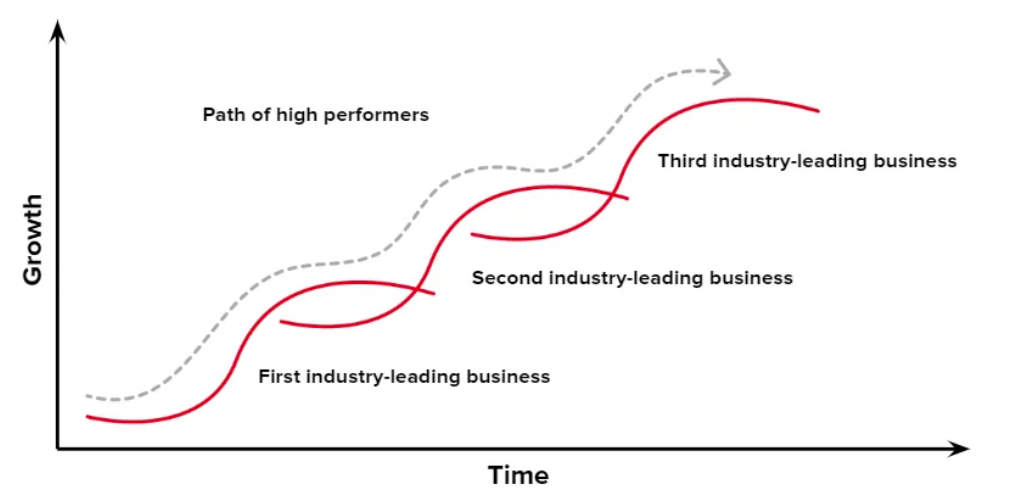
The ceiling isn't a wall. It's the top of a container. You've filled the container. You need a bigger one.
The Symptoms
Ceilings have recognizable symptoms.
Spend increases, efficiency decreases.
You were profitable at $50,000/month. Push to $75,000 and ROAS drops. Push to $100,000 and it drops further. There's an invisible barrier where more money doesn't mean more results—it means worse results.
This happens because you've saturated your addressable audience at your current message. There aren't more of those people to reach. Spending more just means reaching people who were never going to buy, or reaching the same people more often until they're annoyed.
Best performers fatigue faster.
Your winning ads used to run for months. Now they fatigue in weeks. You're churning through creative faster than ever, but nothing reaches the heights of your old winners.
This happens because the audience has seen your message in every variation. The specific execution is different, but the underlying angle is the same. They're not tired of the ad. They're tired of the story.
Efforts multiply, results don't.
You're doing more than ever. More creative, more campaigns, more tests, more channels. Your team is busier than it's ever been. But the growth curve has flattened despite the increased activity.
This happens because doing more of what stopped working doesn't make it start working again. The issue isn't effort. It's approach.
Nothing is obviously broken.
This is the most disorienting part. You can't point to a mistake. You can't identify a failure. Everything is running. Everything is "fine." The dashboard isn't showing red—it's just not showing green anymore.
When something breaks, you fix it. When nothing's broken but nothing's growing, you don't know what to fix.
What Didn't Get You Here
Let me challenge a narrative.
You believe certain things got you here. Your product, your positioning, your creative approach, your target audience, your core message.
Some of that is true. You did make good decisions. You did find real value.
But some of what got you here was timing. Market conditions. Luck. Being in the right place when the opportunity existed.
The audience you targeted wasn't just a good choice—it was also underpriced at the time. The message you used wasn't just resonant—it was also novel when you started saying it. The channel you scaled wasn't just effective—it was also less competitive than it is now.
Some of what you think of as "our winning formula" was actually "temporary arbitrage." The conditions that made it work have changed. The formula hasn't.
This isn't criticism. Every successful business benefits from timing. The question is whether you recognize what was strategy versus what was circumstance—and whether you're still relying on circumstance that no longer exists.
Why More of the Same Won't Work
The instinct at a ceiling is to push harder.
More spend. More creative. More campaigns. More effort.
This instinct is wrong.
If the audience is saturated, more spend just reaches the same people more frequently. Annoying them, not converting them.
If the angle is exhausted, more creative with the same underlying message just produces more versions of something people have stopped responding to. Different executions of the same story they've already heard.
If the channel is mature, more presence in that channel just means more competition for the same attention. Higher costs for equivalent results.
More of the same is how you optimize within a container. It's not how you break out of one.
Breaking out requires something different. A new audience who hasn't heard your message. A new angle that creates fresh resonance. A new channel where attention is underpriced. A new message that earns back the interest you've lost.
Different, not more.
The Message Problem
Let me focus on the message specifically.
When you started, you had a message. Maybe it was about your key differentiator. Maybe it was about the problem you solve. Maybe it was about the transformation you provide.
That message worked. People responded. You built a business around it.
But messages have lifecycles.
In the beginning, your message was novel. People hadn't heard it before. It grabbed attention because it was different from what everyone else was saying.
Then it worked. You scaled it. You repeated it. You built your whole marketing identity around it.
Then competitors noticed. They started saying something similar. The market filled with variations of your message. What was once distinctive became category norm.
Then customers adapted. They heard the message enough times that it became background noise. The first time was interesting. The hundredth time is invisible.
Your message didn't get worse. The context around it changed. What cuts through in year one doesn't cut through in year three. The words might be the same. The impact isn't.
The message that got you here won't get you there because the "here" where it worked no longer exists.
The Audience Problem
Same dynamic applies to audiences.
You found an audience that converted. Maybe it was a demographic. Maybe it was an interest group. Maybe it was a behavioral segment.
You targeted them. You reached them. You converted the ones who were going to convert.
Now what?
If you keep targeting the same audience, you're mostly reaching people you've already reached. Some are past customers who don't need to buy again. Some are people who saw your ads and chose not to buy. Some are new entrants to the audience—but they're a small percentage of your total reach.
The audience isn't growing as fast as your need to find new customers. You've picked the low-hanging fruit. What's left is harder to reach or less likely to convert.
The audience that got you here won't get you there because you've already gotten most of the value that audience had to give.
Where the Next Level Comes From
The ceiling breaks when you find something new.
New audiences.
Not slight variations of your current targeting. Genuinely new segments you haven't addressed.
These exist. There are people who would buy your product who you've never spoken to. They have different characteristics than your current customers. They might have different motivations. They might use different language. They might hang out in different places.
Finding them requires looking beyond your assumptions. Testing audiences you've dismissed or never considered. Discovering who else buys—not who you think buys.
New angles.
Not new hooks on the same message. Fundamentally different reasons to buy.
Your current angle speaks to one motivation. Maybe convenience. Maybe status. Maybe fear. Maybe aspiration.
But your product likely serves multiple motivations. Different people buy for different reasons. If you've only ever spoken to one reason, there are others waiting.
Finding them requires testing messages that feel uncomfortable. Angles you're not sure about. Framings that don't match your current positioning. Discovering what resonates—not what you assume resonates.
New timing.
Not the same spend spread across the year. Understanding when your audiences actually buy.
There are probably seasons in your business you've never noticed. Moments when intent spikes. Windows when the same ad that underperforms in March prints money in August.
Finding them requires analyzing patterns you've ignored. Looking at who buys when and why. Discovering the calendar that already exists in your data.
New messages.
Not variations of your current copy. Different stories entirely.
The message that got you here spoke to a certain problem, a certain promise, a certain identity. But there are other stories your brand could tell. Other problems you could address. Other promises you could make.
Finding them requires letting go of what's worked. Testing narratives that feel risky. Discovering what your customers want to hear—not what you've always said.
The Discovery Requirement
Notice the pattern.
Finding new audiences requires discovery. Finding new angles requires discovery. Finding new timing requires discovery. Finding new messages requires discovery.
You can't think your way to the next level. You can't brainstorm it. You can't copy competitors to get there. You can't hire an agency to guess better than you've been guessing.
You have to discover it. Test hypotheses. Learn what's actually true. Find what's actually there.
This is why ceilings are so frustrating. The skills that got you here—execution, optimization, scaling—are different from the skills that break through. Breaking through requires exploration. Systematic discovery. Validated learning.
Most operators are good at running. Few are good at finding.
The Mindset Shift
Breaking a ceiling requires accepting something uncomfortable.
What you know isn't enough.
Your understanding of your customer was good enough to get here. It's not good enough to get there. There are things you don't know—audiences, motivations, timing, messages—that represent the next level.
Admitting this feels like failure. It's not. It's the natural consequence of success. You extracted the value from what you knew. Now you need to know more.
The brands that break through are the ones that stay curious. That treat the ceiling as a learning opportunity, not a performance problem. That ask "what don't we know?" instead of "how do we do more of what we know?"
The brands that stay stuck are the ones that keep optimizing what's stopped working. That push harder instead of pushing differently. That mistake activity for progress.
What Breaking Through Looks Like
When a brand breaks through a ceiling, it usually looks like this.
They discover an audience they'd overlooked. Maybe it's a segment they'd never targeted—different demographic, different life stage, different use case. The product fits perfectly. They'd just never thought to look there.
They find an angle that opens new demand. Maybe it's a motivation they'd never spoken to. The existing audience responds too, but so does a whole new group who never connected with the old message.
They identify a season they'd missed. Maybe it's a buying window that explains the mysterious variance in their data. Now they can concentrate spend into high-intent periods instead of spreading it into low-intent waste.
They unlock a message that refreshes everything. Maybe it's a positioning shift that makes them distinctive again. The market that had categorized them as "one of many" now sees them as "the only one that."
Each of these is a discovery. Not a guess. Not a hope. A validated finding that changes what's possible.
The ceiling becomes a floor. The constraint becomes a foundation. The next container is bigger than the last.
The Question to Ask
If you've hit a ceiling, the question isn't "how do we work harder?"
It's "what don't we know?"
What audiences exist that we haven't explored? What motivations drive purchase that we haven't addressed? What timing patterns exist that we haven't noticed? What messages would resonate that we haven't tried?
Somewhere in those questions is your next level.
You won't find it by optimizing what you've always done. You'll find it by discovering what you've never looked for.
The message that got you here won't get you there.
But the message that gets you there is findable.
You just have to go looking.
Quick Links:
- We built a free tool that runs this analysis on your brand. Drop your website URL and get a gap report showing what your customers actually say vs. what your brand says.
- We run 12 weeks of structured experiments to find your next winning audience and angle, validate it with real ad spend, and help apply those insights across your entire business. See what that looks like for your brand
